
Paint color gets most of the attention, but choosing the right sheen is just as important. Sheen determines how shiny the surface looks, how durable the finish is and how well it hides imperfections.
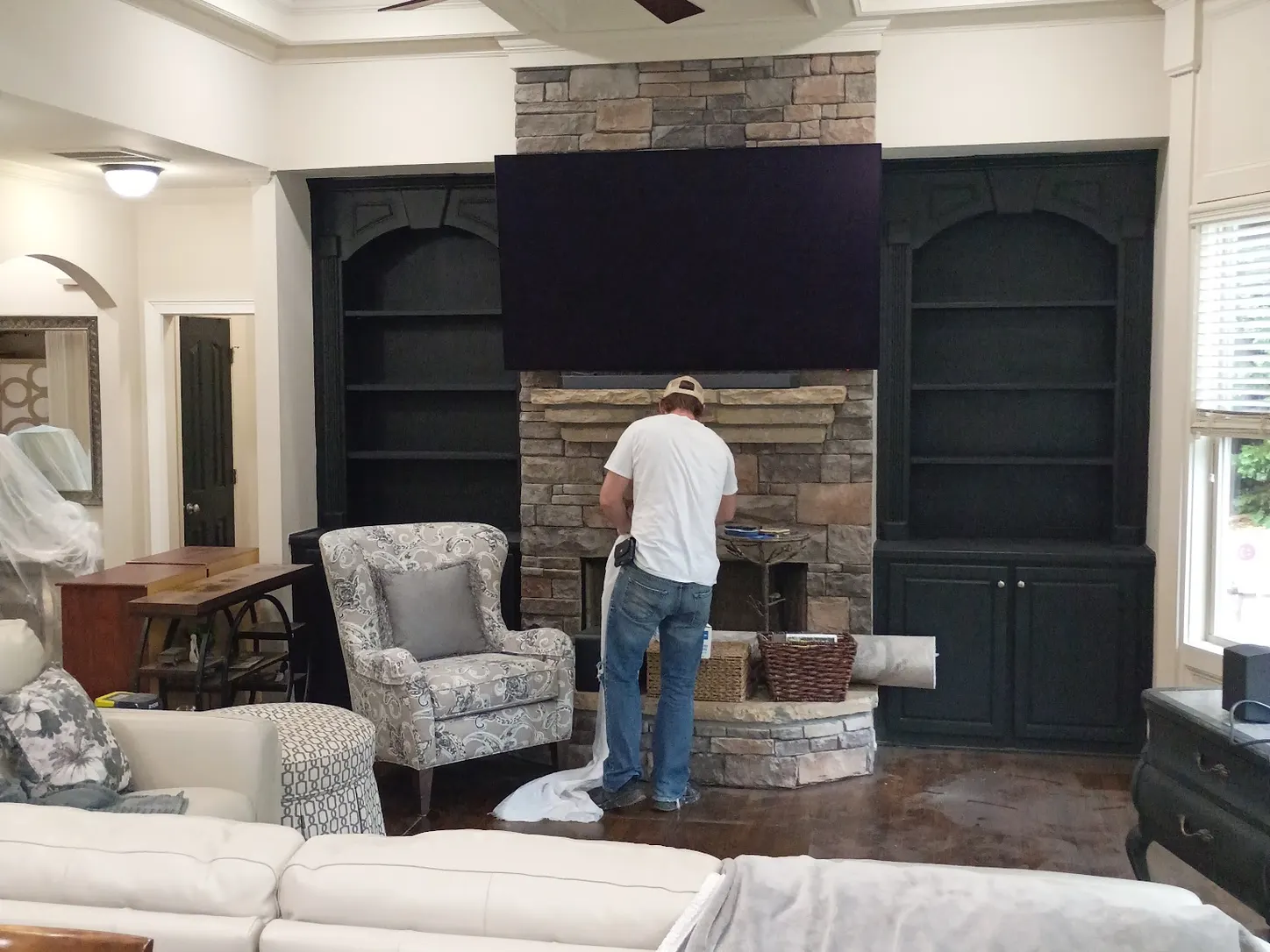
At Wheeler Painting, we regularly help homeowners in Gainesville, Flowery Branch, Braselton and nearby North Georgia communities with this decision. The right sheen can make a room feel soft and warm, or clean and sharp. It also affects long-term durability and upkeep. Here’s a clear breakdown of the most common sheens and when to use them.
What is paint sheen?
Sheen is how much light a paint finish reflects. The more light it reflects, the shinier it looks. Higher sheens are usually more durable and easier to clean, while lower sheens are better at hiding wall imperfections. Think of it as a sliding scale:
Flat → Matte → Eggshell → Satin → Semi-Gloss → High Gloss
Flat (no shine)
Flat paint has almost no reflection. It gives a soft, modern look and hides surface imperfections better than any other finish.
Best for: ceilings, low-traffic rooms, older walls with imperfections and formal living rooms.
Pros: excellent at hiding flaws, smooth and rich-looking, no glare. Cons: less washable, not ideal for high-traffic areas.
Flat is common on ceilings because it keeps glare from overhead lights to a minimum.
Matte (very low sheen)
Matte is similar to flat but a bit more durable. It still looks soft but is easier to wash.
Best for: bedrooms, home offices, dining rooms and other low- to moderate-traffic spaces. Matte gives an upscale look without shine.
Eggshell (soft low sheen)
Eggshell has a subtle glow: not shiny, but slightly reflective. It’s one of the most popular finishes for interior walls.
Best for: living rooms, hallways, family rooms and most main living areas.
Pros: easy to clean, a little more durable, smooth without too much shine. For many interior repaints, eggshell is the safest, most practical choice.
Satin (noticeable soft sheen)
Satin reflects more light and is more durable. It’s smoother and easier to wipe clean than eggshell.
Best for: kitchens, bathrooms, laundry rooms, busy hallways and kids’ rooms, anywhere walls need to stand up to daily life.
Semi-gloss (shiny and durable)
Semi-gloss is highly durable and moisture resistant, and it reflects a noticeable amount of light.
Best for: trim, doors, cabinets, baseboards and exterior trim. Semi-gloss makes architectural details stand out and is a standard choice for trim in residential repaints.
High gloss (very shiny)
High gloss creates a dramatic, reflective surface. It’s extremely durable but shows every imperfection.
Best for: accent doors, furniture and decorative trim. It’s less common in everyday repaints but can look bold and high-end when the surface is prepped and applied well.
How lighting affects sheen
Sheen is more noticeable in rooms with large windows, south-facing exposure, recessed lighting or glossy floors. The more light a room gets, the more reflective higher sheens will look, so sheen choice matters even more in bright rooms. Light changes color too; see why lighting changes everything.
Sheen and surface imperfections
Higher sheen means more reflection, and more reflection means more visible flaws. If your walls have heavy texture, old patchwork or minor drywall flaws, a lower sheen like matte or eggshell will look smoother.
Exterior sheen considerations
- Siding: typically flat or low-lustre
- Trim and fascia: satin or semi-gloss
- Front doors: satin or semi-gloss for durability
Exterior sheen also affects dirt pickup, washability and long-term curb appeal.
Professional guidance matters
The right sheen isn’t only about looks. It affects how long the paint lasts, how easy it is to clean and how the home shows. A professional repaint includes guidance on both color and finish so the result performs as well as it looks. If you’re planning an interior or exterior repaint, or cabinet painting, we’ll help you pick the right combination at your free estimate.
Restored from our original Painting Tips article.