Every year is a good time to take a hard look at the outside of your home. In Northeast Georgia, winter moisture, temperature swings, pollen, humidity and summer sun all take a toll on painted surfaces. Sooner or later, many homeowners notice that their siding, trim, doors and shutters aren’t holding up the way they should.
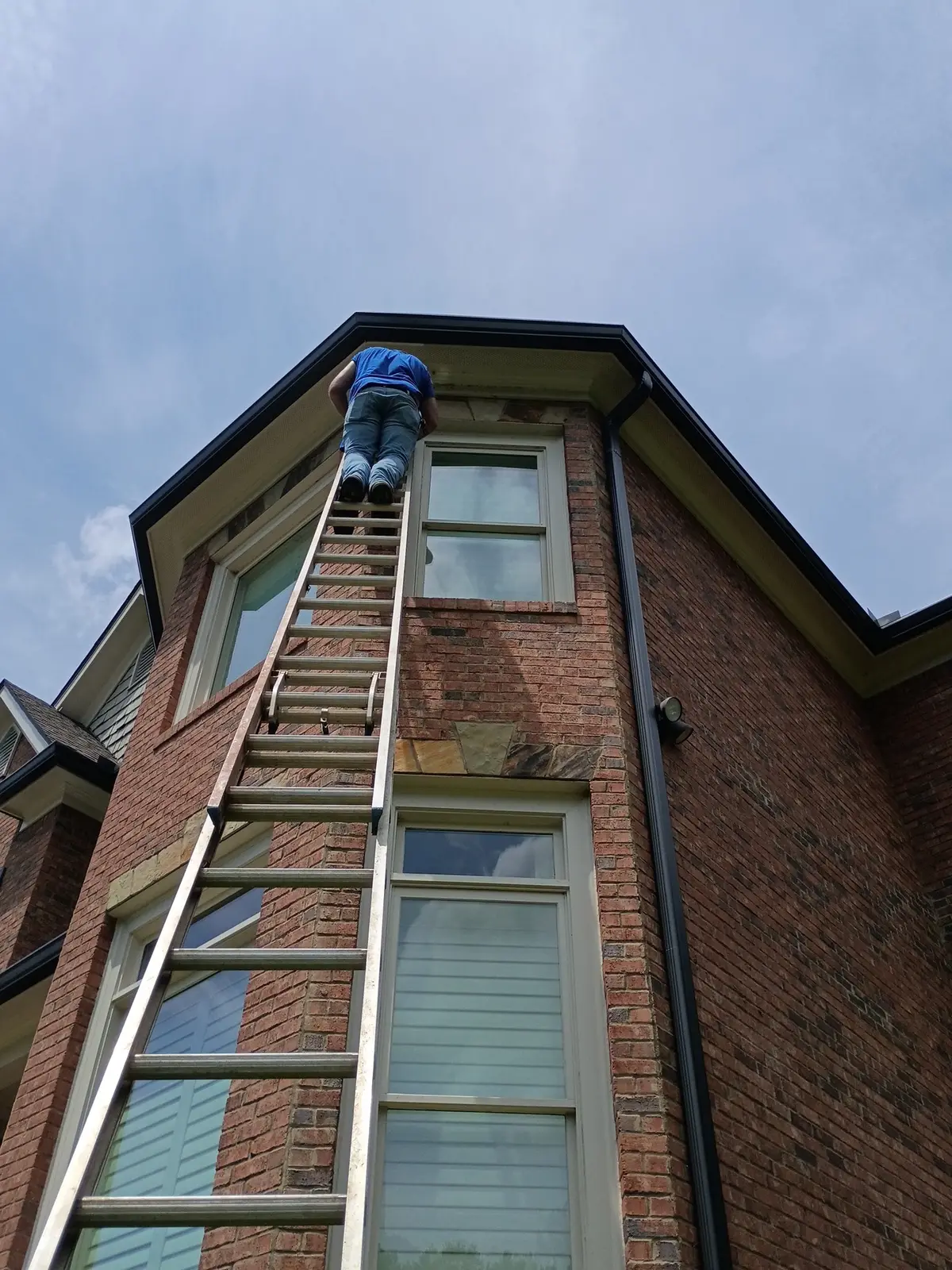
If your home is starting to look worn, faded or neglected, it may be more than dirt or pollen. It may be a sign that your paint system is breaking down and your home needs attention before the damage gets worse. Here are five signs your Northeast Georgia home may need exterior painting.
1. The paint is fading and losing its rich color
One of the first signs a home needs repainting is visible fading. Dark colors start to look washed out, and even lighter colors can turn dull and tired. If your home no longer looks clean and fresh from the street, faded paint may be the reason.
This matters if you care about curb appeal. A home with faded exterior paint can look older and less maintained, even when the structure itself is in good condition.
2. You see peeling, cracking or flaking paint
Peeling paint is one of the clearest signs that the existing coating has failed. Once paint starts lifting away from the surface, the material underneath is more open to moisture and long-term deterioration. You may notice it around:
- Fascia boards
- Window trim
- Door frames
- Siding joints
- Garage doors
- Porch railings
- Columns and decorative trim
Cracking and flaking don’t get better on their own. They spread, and the longer they’re ignored, the more prep and repair work may be needed later.
3. Caulk lines are failing around trim and joints
Most homeowners look at the paint itself, but caulk is just as important. If the caulk around windows, doors, trim boards and siding joints is splitting, shrinking or pulling away, that’s a problem.
Failed caulk can let water get behind painted surfaces, and in Northeast Georgia, humidity and rain are part of the equation. A professional exterior repaint isn’t just about color. It’s also about re-sealing vulnerable areas and protecting the home properly.
4. Bare wood or raw material is starting to show
If paint has worn away enough that you can see bare wood, exposed composite or other raw material underneath, your house is past simply looking weathered. It’s losing protection. This often shows up on:
- Window sills
- Bottom edges of trim boards
- Fascia and soffit transitions
- Handrails
- Doors
- Areas with the most direct sun and weather
Once surfaces are exposed, moisture and sun can do more damage quickly, so it pays to catch it early.
5. Your home just looks tired, dirty and neglected
Sometimes the biggest clue is the overall look. Homeowners often assume the exterior only needs washing, but after the pollen is cleaned off, the house still looks worn. The trim looks dingy, the color feels flat, and the surfaces no longer look sharp. If that sounds familiar, the paint may be at the end of its life. That matters whether you’re:
- Planning to stay in the home
- Wanting to improve curb appeal
- Thinking about selling in the next year
- Trying to protect high-value exterior materials
Why spring and fall are good times to check your exterior
Spring and fall usually bring the most comfortable painting weather in North Georgia, and they’re natural times to walk around the house and look closely. Waiting until paint failure or wood damage is severe usually means more prep, more repairs and more cost. Catching problems early gives you more control over the project and usually a better result.
What a professional exterior repaint should include
A proper exterior repaint is more than new paint over old surfaces. It should start with a careful inspection and include the right preparation for the condition of the home. That may include:
- Washing the exterior
- Scraping loose paint
- Sanding rough transitions
- Replacing failed caulk
- Spot priming bare areas
- Repairing minor surface damage
- Applying quality finish coats with the right products
The goal isn’t just to make the house look better for a few months. It’s to restore protection, improve appearance and help the finish last. For the products we use, see our guide to Sherwin-Williams exterior paints and stains.
Final thoughts
If your home is showing fading, peeling, failed caulk, exposed material or overall wear, it’s time to deal with it. Putting it off can turn a repaint into a more expensive repair project later. If you’re not sure whether your home is ready, a professional evaluation can sort out what needs to be done now and what can wait.
Restored from James Wheeler’s original April 2026 article.